

截至目前,引用Bioss產品發表的文獻共38,103篇,總影響因子193,660.87分,發表在Nature, Science, Cell, Cancer Cell以及Immunity等頂級期刊的文獻共132篇,合作單位覆蓋了清華、北大、復旦、華盛頓大學、麻省理工學院、東京大學以及紐約大學等上百所國際知名研究機構。
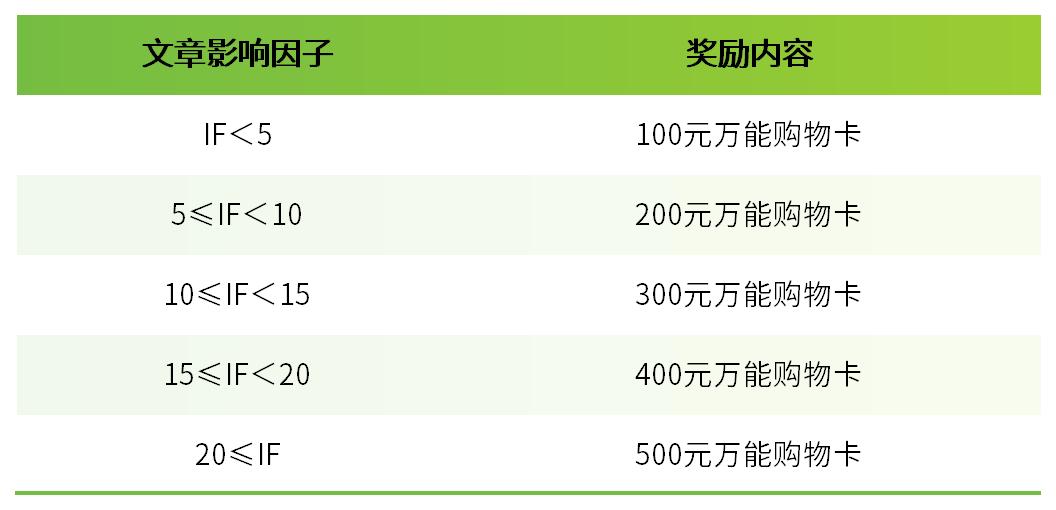
我們每月收集引用Bioss產品發表的文獻。若您在當月已發表SCI文章,但未被我公司收集,請致電Bioss,我們將贈予現金鼓勵,金額標準請參考“發文章 領獎金”活動頁面。
本文主要分享11篇IF≥18的文獻,它們引用了Bioss產品,分別發表在Nature Medicine、Molecular Cancer、Nature Immunology、Advanced Materials、Nature Biomedical Engineering、Nature Metabolism、Bioactive Materials、Nature Aging、Advanced Functional Materials、Cell Host & Microbe期刊上,讓我們一起學習吧。
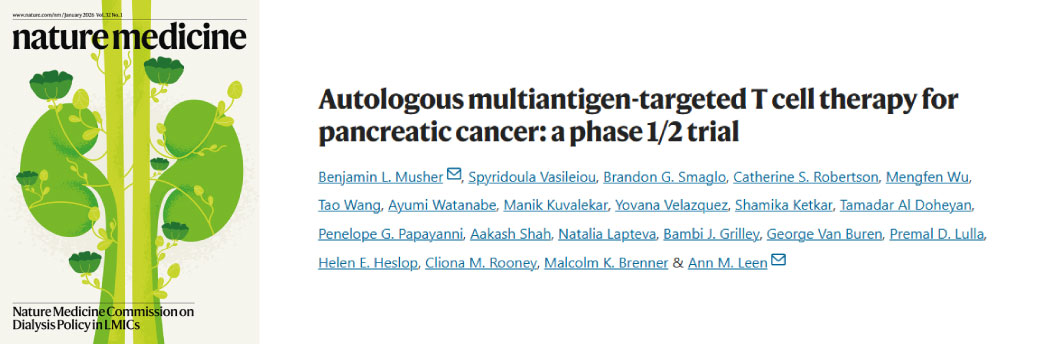
Nature Medicine [IF=50]
文獻引用產品:
bs-7004R | PRAME Rabbit pAb | IHC
作者單位:德克薩斯兒童醫院和休斯頓衛理公會醫院
摘要:T cell therapy has proven challenging for pancreatic ductal adenocarcinoma (PDAC), partly due to heterogeneous expression of tumor-associated antigens (TAAs). To address tumor heterogeneity and mitigate immune evasion, an ex vivo expanded, polyclonal, T helper 1 cell-polarized T cell product targeting five TAAs—PRAME, SSX2, MAGEA4, Survivin and NY-ESO-1—was developed. These antigens were chosen based on their tumor specificity, oncogenicity, immunogenicity and level of expression. In a phase 1/2 trial, this autologous nonengineered T cell product was administered (1 × 10⁷ cells m−2 per infusion) monthly to patients with advanced PDAC responding (arm A, n = 13) or refractory (arm B, n = 12) to first-line chemotherapy or with resectable disease (arm C, n = 12). Primary endpoints were safety and feasibility of completing six infusions, whereas exploratory efficacy endpoints included persistence and evaluating the relationship between clinical benefit and the expansion of the infused effector T cells, as well as the induction of de novo immune responses. Of 56 participants procured, 37 were infused, with only 1 treatment-related serious adverse event. Disease control rates in arms A and B were 84.6% (95% confidence interval: 54.6–98.1%) and 25% (95% confidence interval: 5.5–57.2%), respectively. In arm C, two of nine resected participants remained disease free after 66 months of follow-up. The infused cells persisted up to 12 months posttreatment and elevated levels of tumor-directed T cells were detected during dosing (P = 0.027) and follow-up in responders compared to nonresponders. Clinical outcomes correlated with peripheral expansion of functional TAA-targeted T cell clones and treatment-emergent antigen spreading. Thus, further investigation of this approach, either as a single agent or combined with other complementary modalities, is warranted (ClinicalTrials.gov identifier: NCT03192462).
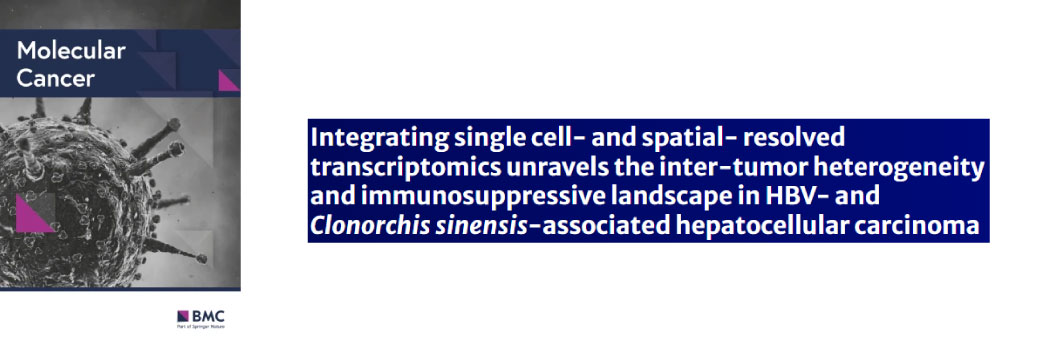
Molecular Cancer [IF=33.9]
文獻引用產品:
bs-10423R | Collagen I Rabbit pAb | IHC
作者單位:中國中醫科學院中藥研究所
Hepatocellular carcinoma (HCC) is the most common primary liver carcinoma with high lethality. Both of hepatitis B virus (HBV) and Clonorchis sinensis (C. sinensis) are critical infectious contributors to HCC development. However, the inter-tumor heterogeneity and tumor microenvironment (TME) of HCC patients with different infectious background remain largely unknown.
Methods
We compiled a cohort of 269 primary HCC patients to assess the clinical impact of C. sinensis and HBV infections on patient prognosis. Single-cell RNA sequencing (scRNA-seq) and spatial transcriptomic (ST-seq) analyses were performed on tumor and adjacent normal samples from C. sinensis-associated HCC (CP), and double-infection HCC (DP) patients. Additionally, we integrated publicly available scRNA-seq and ST-seq datasets from HBV-associated (HP) patients. Immunofluorescence, immunohistochemistry and in vitro experiments were conducted to validate inter-tumor heterogeneity among the three HCC subtypes.
Results
C. Sinensis infection is significantly associated with poorer prognosis in HCC patients. Multi-omics analyses revealed distinct inter-tumor heterogeneity in epithelial, immune, and stromal compartments across different HCC subtypes. Tumor cells in the DP group exhibited more malignant marker expression, higher copy number variation scores, increased activation of p53 pathway, and worse survival outcomes. Compared with other HCC subtypes, the TME in DP samples was enriched with SPP1+ macrophages, exhausted CD8+ T cells and COL1A1+ fibroblasts. In contrast, the CP and HP groups showed higher proportions of M2-like macrophages and ENPP2+ liver vascular endothelial cells, respectively.
Conclusion
These findings decipher the cellular signatures and their interactions within the TME, shedding light on the inter-tumoral heterogeneity driven by different infections, and the development of targeted therapies for infectious HCC.
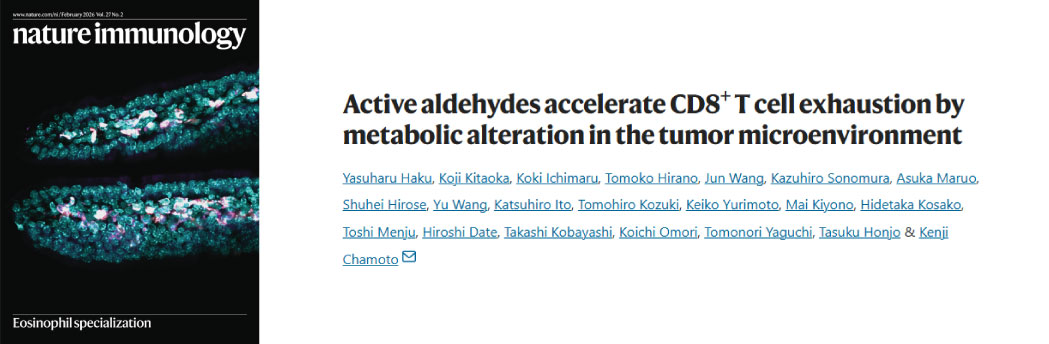
Nature Immunology [IF=27.6]
文獻引用產品:
作者單位:日本京都大學
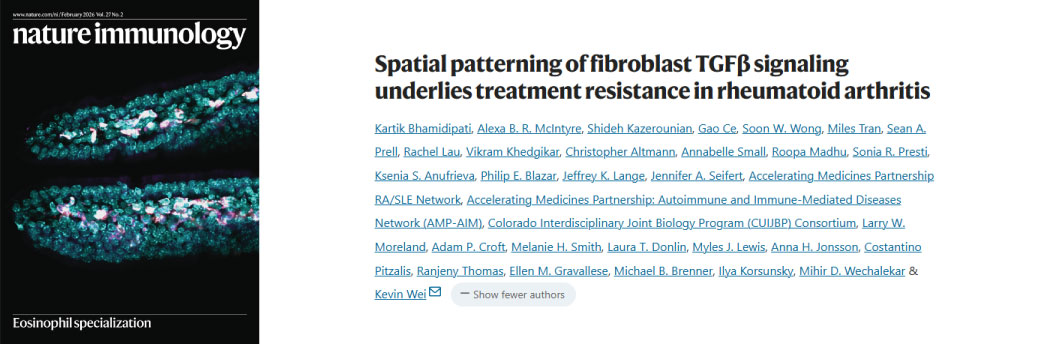
摘要:Glycolysis and mitochondrial fatty acid oxidation (FAO) regulate CD8+ T cell differentiation, but how this metabolic balance regulates T cell exhaustion is unclear. PD-1 signaling inhibits glycolysis and enhances FAO. Here, we show that CD8+ T cells in tumors adhere to glycolysis with attenuated FAO despite high PD-1 expression. Active aldehydes, final products of lipid peroxidation, accumulate in CD8+ T cells in proportion to their level of exhaustion, defined by mitochondrial mass and potential. Aldehydes promote glycolysis and inhibit FAO in T cells. Mice deficient in an FAO enzyme in T cells generate more acrolein, a representative aldehyde, enhancing T cell exhaustion and attenuating antitumor immunity. Acrolein is generated partly from mitochondria and damages mitochondrial architecture. Inhibitors of lipid peroxidation or aldehydes enhanced PD-1-blockade by rectifying metabolic imbalance. Therefore, active aldehydes resulting from FAO impairment can cause a vicious cycle of metabolic imbalance that leads to T cell exhaustion.
Nature Immunology [IF=27.6]
文獻引用產品:
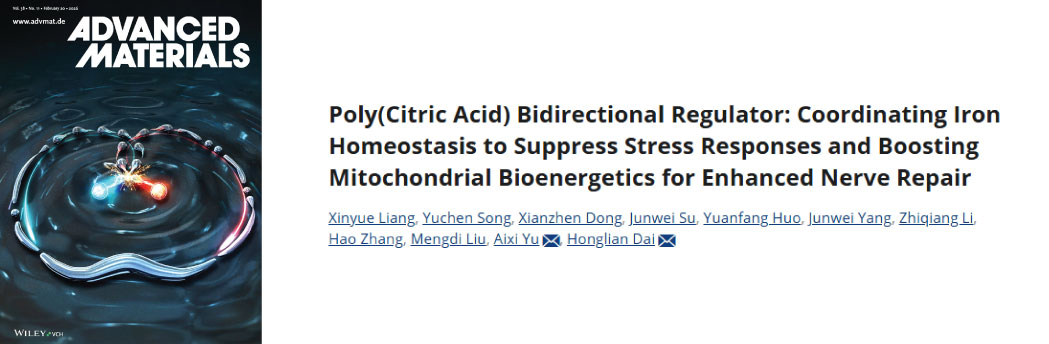
Advanced Materials [IF=26.8]
文獻引用產品:
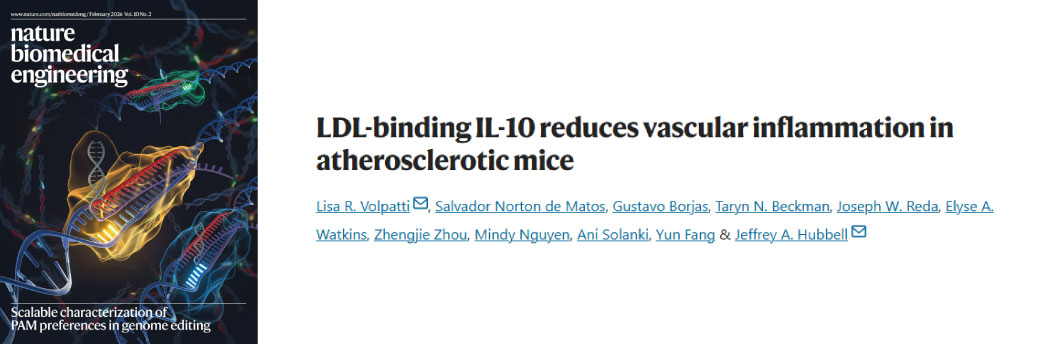
Nature Biomedical
Engineering [IF=26.6]
文獻引用產品:
bs-0698R | IL-10 Rabbit pAb | IHC, IF
作者單位:芝加哥大學
摘要:Atherosclerosis is a chronic inflammatory disease associated with the accumulation of low-density lipoprotein (LDL) in arterial walls. Higher levels of the anti-inflammatory cytokine IL-10 in serum are correlated with reduced plaque burden. However, cytokine therapies have not translated well to the clinic, partially due to their rapid clearance and pleiotropic nature. Here we engineer IL-10 to overcome these challenges by hitchhiking on LDL to atherosclerotic plaques. Specifically, we construct Fab-IL-10 by fusing IL-10 to the antibody fragment (Fab) of four different oxidized LDL-binding antibodies. We show that systemically administered Fab-IL-10 constructs bind circulating LDL and traffic to atherosclerotic plaques in atherosclerosis mouse models. Among them, 2D03-IL-10 significantly reduces aortic immune cell infiltration to levels comparable to healthy mice, whereas non-targeted IL-10 has no therapeutic effect. Mechanistically, we demonstrate that 2D03-IL-10 preferentially associates with foamy macrophages and reduces pro-inflammatory activation markers. This modular technology may be applied to a variety of protein therapeutics and shows promise as a potential targeted anti-inflammatory therapy in atherosclerosis.
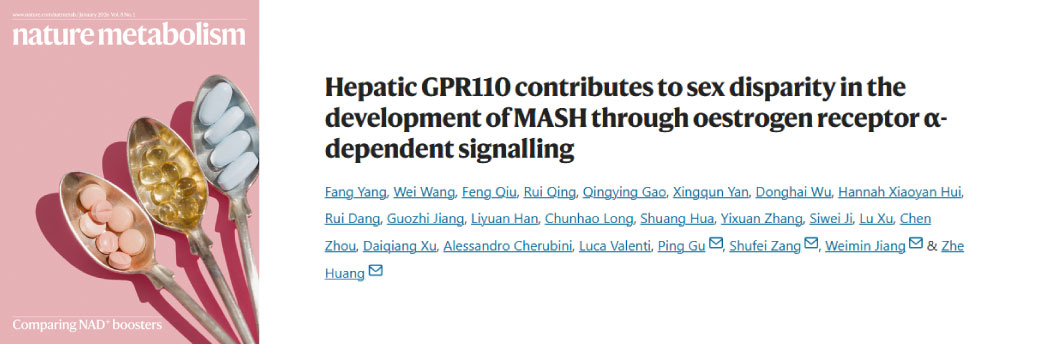
Nature Metabolism [IF=20.8]
文獻引用產品:
作者單位:上海交通大學
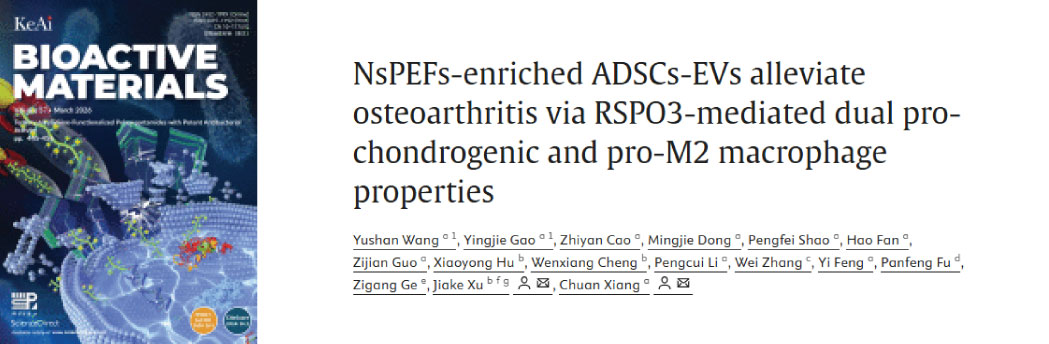
Bioactive Materials [IF=20.3]
文獻引用產品:
bs-0698R | IL-10 Rabbit pAb | IHC
作者單位:山西醫科大學第二醫院
摘要:Osteoarthritis (OA) remains a debilitating joint disorder due to the lack of disease-modifying therapies that can simultaneously halt cartilage degradation and modulate the aberrant immune microenvironment. This study demonstrated the therapeutic potential of extracellular vesicles derived from adipose-derived stem cells preconditioned with nanosecond pulsed electric fields (NsPEFs-ADSCs-EVs). Administration of NsPEFs-ADSCs-EVs significantly attenuated OA progression, as indicated by alleviated cartilage degradation, and a marked shift in synovial macrophage from the pro-inflammatory M1 to the pro-reparative M2 phenotype. Mechanistically, we discovered that NsPEFs-ADSCs-EVs, via surface-enriched ITGA4, activated the PI3K/Akt pathway to instruct the increased secretion of R-spondin 3 (RSPO3). We further unveiled a novel dual function of chondrocyte-derived RSPO3. It acted in an autocrine manner to enhance chondrocyte anabolism and in a paracrine manner to directly drive M2 macrophage polarization. The pro-M2 effect was specifically mediated through the activation of the LGR4/LRP6/β-catenin signaling axis in macrophages. Collectively, this work elucidates a previously unrecognized paracrine axis wherein NsPEFs-engineered EVs deploy RSPO3 as a significant coordinator to synchronously promote cartilage regeneration and immune resolution. Our findings not only reveal RSPO3 as a promising therapeutic target but also establish the NsPEFs platform as a efficient strategy for generating functionally enhanced EVs, offering a novel cell-free strategy for OA therapy.
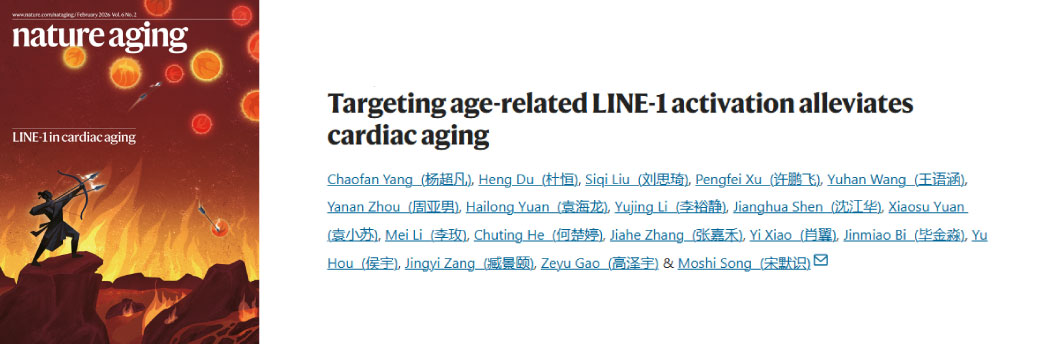
Nature Aging [IF=19.4]
文獻引用產品:
作者單位:中國科學院動物研究所
摘要:Cardiac aging is a major driver of cardiovascular diseases and associated mortality, yet its therapeutic options are limited. While long interspersed nuclear element-1 (LINE-1) retrotransposons are known to drive cellular senescence, their role in cardiac aging is poorly defined. Here we showed that LINE-1 expression increased in the heart with age. To investigate their role in cardiac aging, we generated cardiomyocyte-specific Mov10-knockout mice, which failed to suppress LINE-1. These mice developed LINE-1 derepression, cardiac dysfunction and premature cardiac aging by 3 months of age, accompanied by cGAS–STING activation. Pharmacological inhibition of LINE-1 reverse transcription (with 3TC) or STING (with H-151) suppressed cGAS–STING activation and attenuated senescence in Mov10-knockout H9C2 cells. Notably, both inhibitors improved cardiac function and reduced cardiac inflammation and senescence phenotypes in naturally aged mice. Together, our findings establish LINE-1 as a driver of cardiac aging via cGAS–STING activation, highlighting LINE-1 and its downstream effectors as therapeutic targets for age-related cardiac dysfunction.
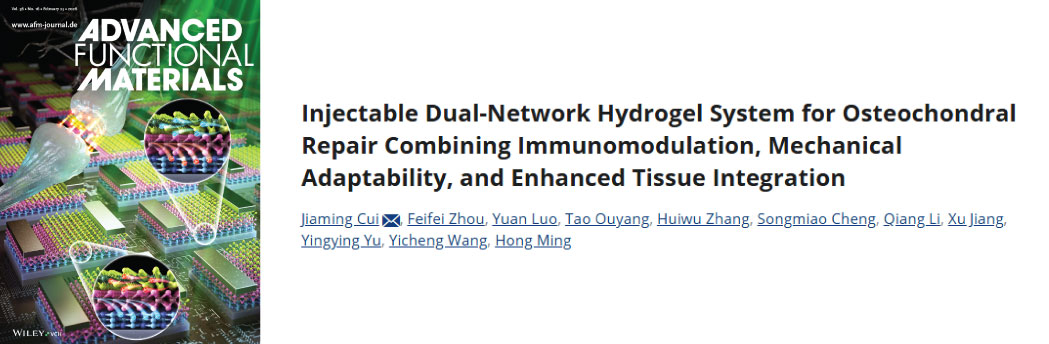
Advanced Functional
Materials [IF=19]
文獻引用產品:
作者單位:成都中醫藥大學
摘要:Osteochondral defects involving articular cartilage and subchondral bone remain clinically challenging due to limited regenerative capacity and the suboptimal outcomes of current therapies. Recent studies underscore the critical role of the immune microenvironment, particularly macrophage polarization, in modulating chondrogenic and osteogenic differentiation, whereas dysregulated inflammation leads to fibrocartilage formation and impaired tissue regeneration. To address these challenges, we developed a UV-triggered injectable dual-network hydrogel, representing the first application of Bletilla striata polysaccharide (BSP) in osteochondral repair. By combining methacrylamide-modified BSP (BSPMA) with nitrobenzaldehyde-functionalized hyaluronic acid (HANB), the dual-network hydrogel integrates immunomodulatory capacity, mechanical robustness, and tissue integration. BSPMA targets macrophage mannose receptors, suppressing pro-inflammatory M1 polarization and promoting M2 phenotypes to establish a regenerative immune niche. Simultaneously, HANB forms dynamic Schiff base bonds with host tissue, enhancing interfacial integration and reducing secondary damage. This dual-network strategy overcomes the mechanical and adhesive limitations of conventional BSP-based systems, offering a promising platform for osteochondral tissue regeneration.
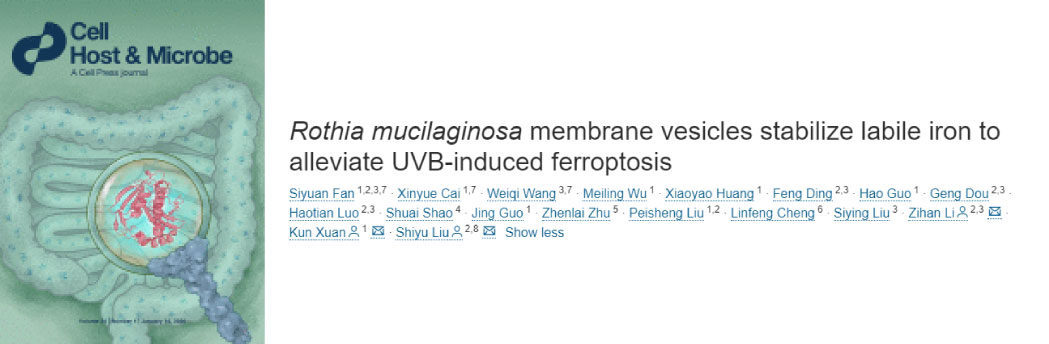
Cell Host& Microbe [IF=18.7]
文獻引用產品:
作者單位:第四軍醫大學
摘要:Ultraviolet irradiation, particularly ultraviolet B (UVB), damages keratinocytes, potentially causing actinic cheilitis. Commensal bacteria help maintain barrier function and protect the host. However, it is unclear if commensal bacteria can protect the host from UVB irradiation. Here, we demonstrate that Rothia mucilaginosa (R. mucilaginosa)-derived membrane vesicles (RMVs) contain ferrochelatase, which stabilizes labile iron in host cells to alleviate UVB-induced ferroptosis. We demonstrate that R. mucilaginosa abundance on lip vermilion inversely correlates with actinic cheilitis severity in patients. Mechanistically, we find that UVB induces R. mucilaginosa to release RMVs, which are internalized by host cell lysosomes. The ferrochelatase contained within these RMVs catalyzes conversion of Fe2+ and porphyrin into heme, thereby alleviating UVB-induced iron overload and ferroptosis. Topical application of RMVs relieves actinic cheilitis in patients (ChiCTR, no. ChiCTR2500100015). Collectively, we reveal an iron stabilization mechanism through which commensal bacteria protect the host against UVB and expand our understanding of the relationship between commensal bacteria and hosts.