
截止目前,引用Bioss產品發表的文獻共27040篇,總影響因子129798.43分,發表在Nature, Science, Cell以及Immunity等頂級期刊的文獻共62篇,合作單位覆蓋了清華、北大、復旦、華盛頓大學、麻省理工學院、東京大學以及紐約大學等國際知名研究機構上百所。
我們每月收集引用Bioss產品發表的文獻。若您在當月已發表SCI文章,但未被我公司收集,請致電Bioss,我們將贈予現金鼓勵,金額標準請參考“發文章 領獎金”活動頁面。
近期收錄2023年10月引用Bioss產品發表的文獻共269篇(圖一,綠色柱),文章影響因子(IF) 總和高達1698.2,其中,10分以上文獻34篇(圖二)。
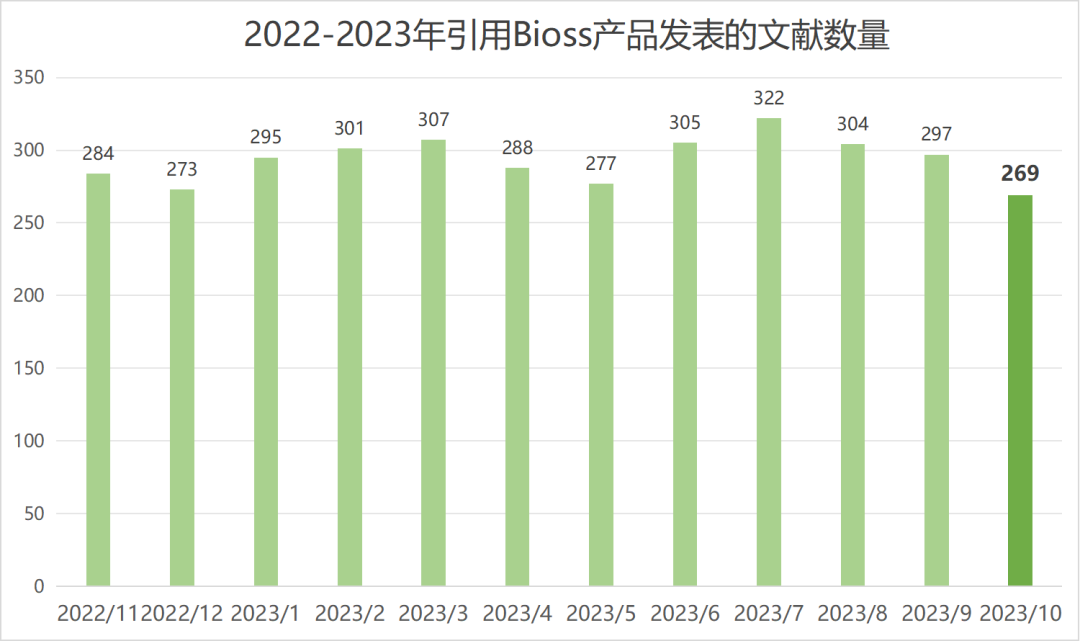
圖一

圖二
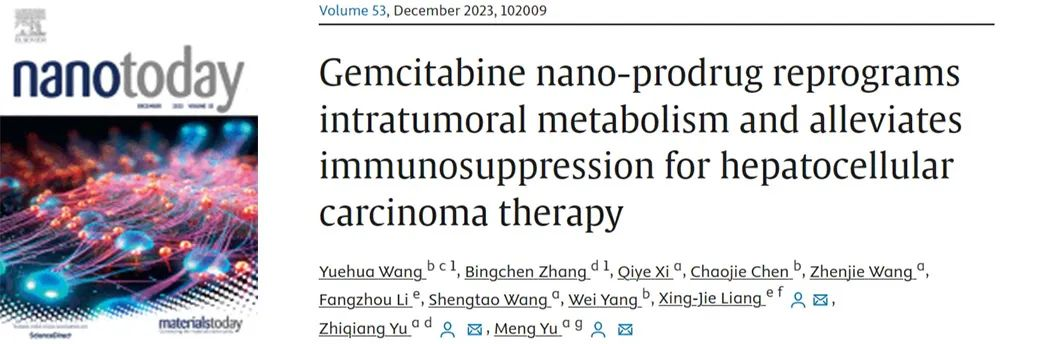
GAPDH Rabbit pAb| WB
作者單位:中國科學院納米材料生物醫學效應與納米安全重點實驗室、南方醫科大學
?
ACS Nano?[IF=17.1]
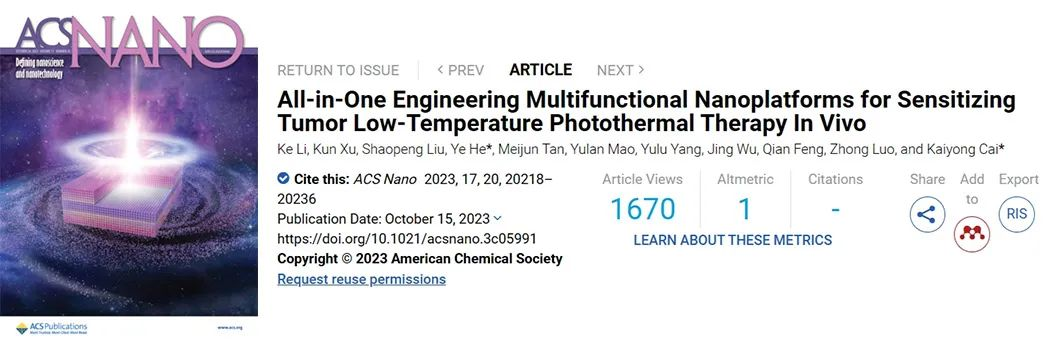
文獻引用產品:
bsm-51215M;?Hsp90 Mouse mAb | WB
bs-0126R;?HSP70 Rabbit pAb | WB
作者單位:重慶大學
摘要:Low-temperature photothermal therapy (PTT) is a noninvasive method that harnesses the photothermal effect at low temperatures to selectively eliminate tumor cells, while safeguarding normal tissues, minimizing thermal damage, and enhancing treatment safety. First we evaluated the transcriptome of tumor cells at the gene level following low-temperature treatment and observed significant enrichment of genes involved in cell cycle and heat response-related signaling pathways. To address this challenge, we have developed an engineering multifunctional nanoplatform that offered an all-in-one strategy for efficient sensitization of low-temperature PTT. Specifically, we utilized MoS2?nanoparticles as the photothermal core to generate low temperature (40–48 °C). The nanoplatform was coated with DPA to load CPT-11 and Fe2+?and was further modified with PEG and iRGD to enhance tumor specificity (MoS2/Fe@CPT-11-PEG-iRGD). Laser- and acid-triggered release of CPT-11 can significantly increase intracellular H2O2?content, cooperate with Fe2+?ions to increase intracellular lipid ROS content, and activate ferroptosis. Furthermore, CPT-11 induced cell cycle arrest in the temperature-sensitive S-phase, and increased lipid ROS levels contributed to the degradation of HSPs protein expression. This synergistic approach could effectively induce tumor cell death by the sensitized low-temperature PTT and the combination of ferroptosis and chemotherapy. Our nanoplatform can also maximize tumor cell eradication and prolong the survival time of tumor-bearing mice in vivo. The multifunctional approach will provide more possibilities for clinical applications of low-temperature PTT and potential avenues for the development of multiple tumor treatments.
?
Nature Communications?
[IF=16.6]
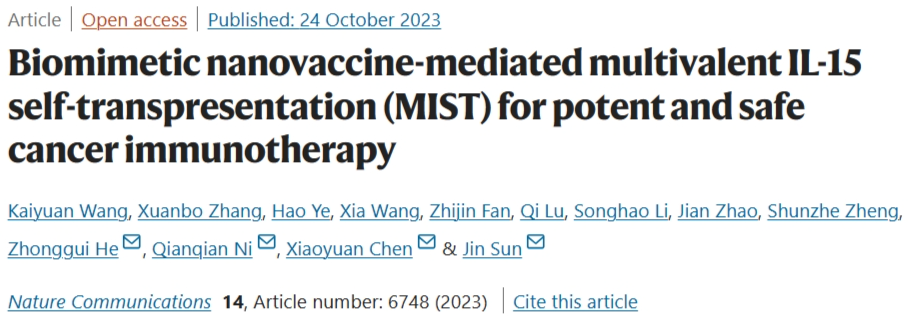
CD80(B7-1) Rabbit pAb?| WB
作者單位:沈陽藥科大學五亞創新學院、新加坡國立大學楊潞齡醫學院
?
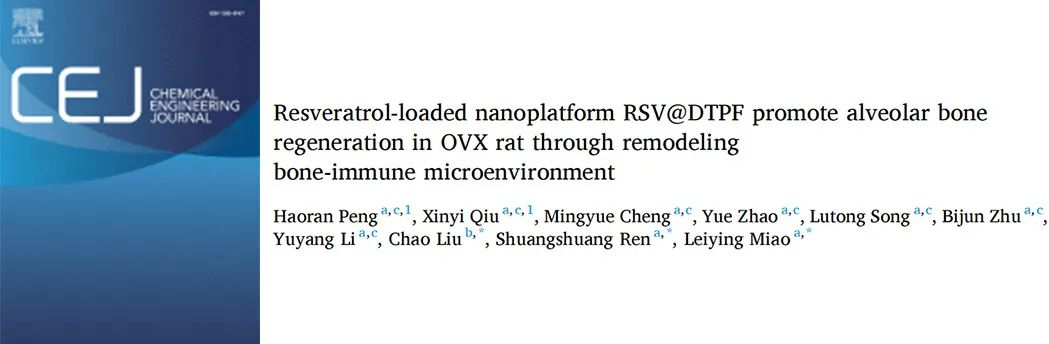
CHEMICAL ENGINEERING?
JOURNAL?[IF=15.1]
1 % crystal violet solution
作者單位:南京大學醫學院附屬醫院南京口腔醫院
摘要:The reconstruction of alveolar bone defect is essential for periodontal regenerative therapy or subsequent prosthetic/implant therapy, particularly in individuals with systemic diseases, such as osteoporosis. ROS accumulation, coupled with aberrant macrophage polarization, is pivotal in the pathogenesis of osteoporosis and contributes to the disequilibrium between bone and the immune system. Consequently, therapeutic strategies targeting the immune microenvironment present a promising approach to the treatment of in situ alveolar bone regeneration in osteoporotic condition. Herein, we present a novel nano platform denoted as RSV@DTPF, designed to target macrophage and facilitate the controllable release of resveratrol in a ROS-responsive behavior. This approach aims to modulate the tampered immune microenvironment. The conjugated folate moiety selectively interacts with the folate receptors expressed on the macrophage surface, thereby augmenting cellular uptake. While the thioketal bond would break down when sensing a high level of intracellular ROS and release the encapsulated RSV. In vitro experiments suggested that designated nanoparticles could scavenge ROS effectively and restore the M1/M2 ratio in a lipopolysaccharide (LPS) -stimulated inflammation environment; The co-culture experiment provided evidence substantiating the adeptness of the modified immune milieu in fostering osteoblast differentiation, while concurrently impeding osteoclast maturation. Furthermore, through comprehensive imaging and histopathological evaluations, we elucidate the potential of RSV@DTPF in promoting osteogenesis within a periodontal defect model utilizing ovariectomized (OVX) rats. This in vivo study substantiates the advantageous impact of the nanoplatform on alveolar bone regeneration and its associated immunomodulatory effects. In summary, the RSV@DTPF nanoplatform exhibited the capacity to orchestrate immune microenvironmental shifts and enhance alveolar bone generation ability in osteoporosis and also could be expected to be applied in other biomedical fields associated with redox metabolism imbalance.