
背景介紹
轉染使我們能夠更好地理解目標基因在細胞中是如何表達和調節的。目前常見的轉染方法包括磷酸鈣共沉淀、電穿孔、DEAE-葡聚糖和聚脲嘧啶、機械方法(如顯微注射和基因槍)以及陽離子脂質體轉染試劑,其中陽離子脂質體轉染試劑是常用的一種。
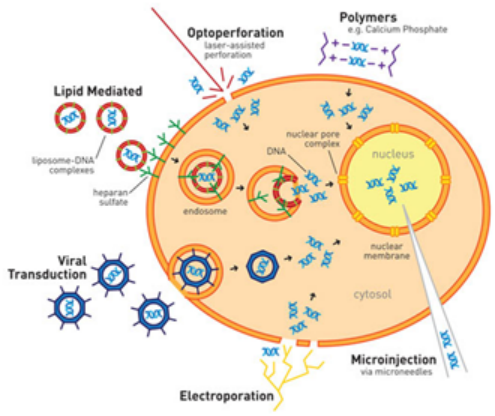
Figure 1: Schematic Diagram of Different Transfection Methods (Image source: Daily Biology Reviews)
不同轉染方法比較
|
Transfection Method |
Advantages |
Disadvantages |
|
Calcium Phosphate Co-precipitation |
Low cost, relatively simple operation |
Unstable transfection efficiency, prone to issues such as DNA aggregation affecting transfection efficiency, high cytotoxicity, poor transfection efficiency |
|
Electroporation |
High efficiency, suitable for all types of cells |
Expensive electroporation equipment, high cell death rate, requires large amounts of nucleic acids and cells |
|
DEAE-Dextran |
Effective for transfection of adherent cells, can also be used for certain suspension cells, simple operation, repeatable results |
Cell preference, some toxicity to cells, serum inhibition of cell growth required during transfection |
|
Polybrene |
Relatively simple operation, moderate price |
Low efficiency, some limitations in application |
|
Cationic Lipid Reagents |
Simple operation, high efficiency, wide applicability, good repeatability, low toxicity |
Slightly higher price compared to other chemical reagents |
|
Viral Transduction |
High efficiency, effective for difficult-to-transfect cells, good transduction in primary cells |
Complex viral packaging process, some risk associated with viruses |
|
Polyethylenimine (PEI) |
Low price, simple operation, wide applicability |
Lower efficiency compared to lipid-based transfection reagents, some cells exhibit sensitive reactions after contact |
已驗證細胞系
Celthy Trans脂質體核酸轉染試劑作為一種陽離子脂質體轉染試劑,與廣泛使用的Lipo2000相比,具有更高的轉染效率和更便捷的操作性。它已在多種細胞系中得到驗證,如下是經過驗證的細胞系列表。
|
A549 |
BV-2 |
BV50 |
C2C12 |
Calu 1 |
CHO |
Caco2 |
|
C6 |
COS-7 |
DF-1 |
H299 |
H520 |
HaCaT |
HCT116 |
|
HEK293 |
HEK 293T |
HeLa |
Hep2C |
Hep3B |
Hepa1-6 |
HepG2 |
|
HK2 |
HO1980 |
HUVEC |
HaCaT |
HUVEC |
H520 |
H9C2 |
|
H9 |
LM3 |
Lenti X-293T |
MCF10A |
MCF-7 |
MDA-MB-231 |
MDCK |
|
MEF |
MKN-28 |
N2A |
NCI-H1975 |
NIH-3T3 |
Neuro-2a |
PC12 |
|
Raw264.7 |
RKO |
SGC-7901 |
SMCC7721 |
T47D |
THP-1 |
TS |
|
U-87 |
Vero |
WEHI |
WRL-68 |
3t3 |
5-8F |
93T |
|
293FT |
多發性骨髓瘤細胞 |
More… |
|
|
|
|
作用機理
陽離子脂質體可以通過其表面的正電荷與核酸的負電荷通過靜電相互作用包裹核酸,形成核酸-脂質體復合物。細胞膜表面帶有負電荷,使得復合物能夠被吸附。一旦被吸附,復合物可以通過膜融合或內吞作用進入細胞,形成細胞內的包含體。一小部分DNA可以從包含體中釋放出來,進入細胞質,進一步進入細胞核進行轉錄和表達。
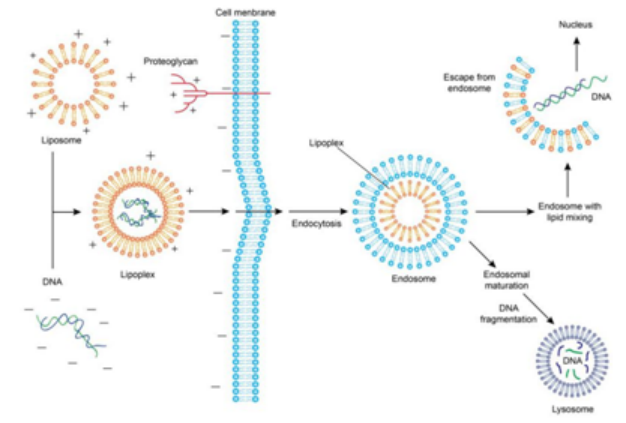
Figure 2: Liposome-mediated Transfection and Endocytosis Process
轉染試劑產品特點:
高效率:能夠轉染大多數真核細胞,對常見細胞系的轉染效率超過90%;
低毒性:轉染的細胞形態良好,能高水平表達轉染的基因蛋白;
操作便捷:脂質體復合物可以直接添加到含有血清的培養基中;
多用途:適用于瞬時和穩定轉染實驗。
操作流程
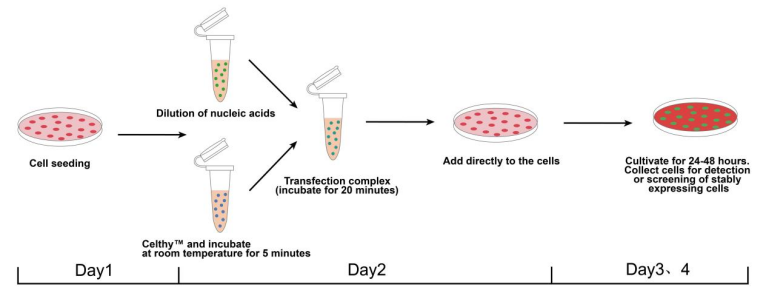
Figure 3: Cell Transfection Experimental Workflow
產品數據
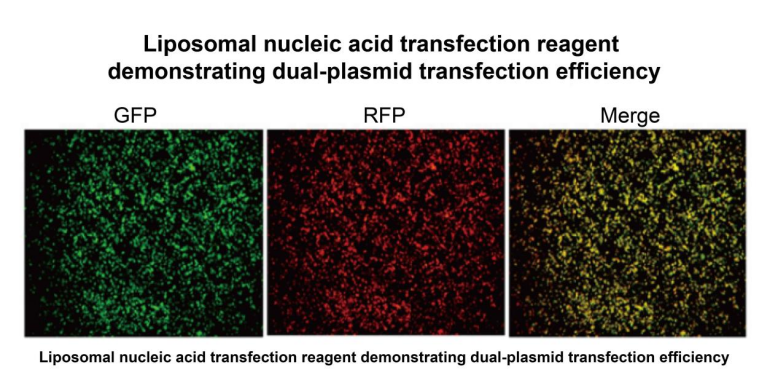
Figure 4: Dual Plasmid Transfection Reagent Validation Results
客戶反饋數據
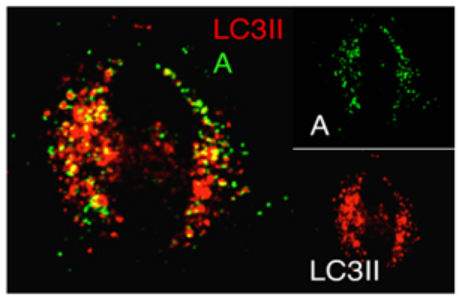
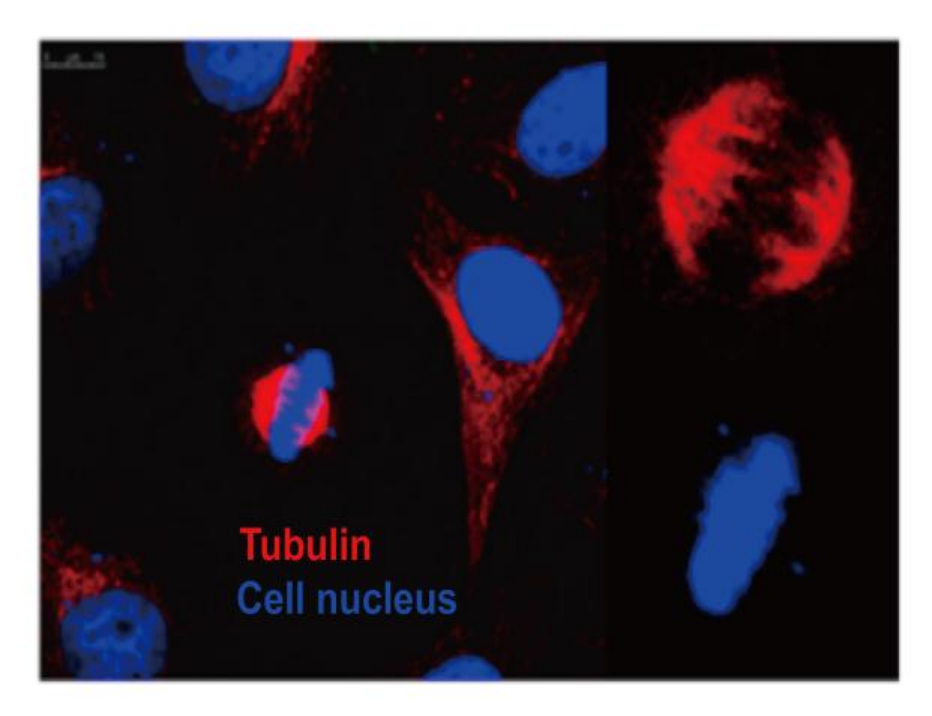
Celthy Trans Liposomal Transfection Application
|
Activation of Cell Autophagosome Formation by Bacterial Protein Cell: HeLa Transfected Plasmid: Bacterial Effector Protein A LC3II: Autophagosome Marker Protein |
Hoechst 33342 Spindle Structure during Cell Division Cell: HeLa Transfected Plasmid: Flag-tubulin Nuclear Staining: Hoechst 33342 |
||
|
Celthy Trans |
Lipo3000 |
Celthy Trans |
Lipo2000 |
|
Image Source: Fudan University Cell Line: HEK293 Nucleic Acid Type: DNA |
Image Source: Changchun Institute of Applied Chemistry Cell Line: HeLa Nucleic Acid Type: DNA |
||
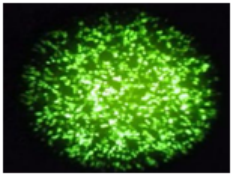
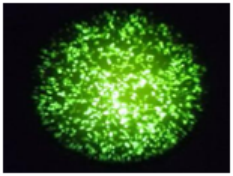
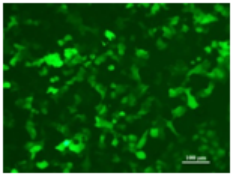

Flow Cytometry Fluorescence Observation Results
|
Celthy Trans (13.27%) |
Lipo2000 (8.64%) |
FuGenHD (9.24%) |
|
Cell Line: C2C12 Fluorescent Protein: EGFP (Enhanced Green Fluorescent Protein) Nucleic Acid Type: DNA Data Source: South China Agricultural University |
||
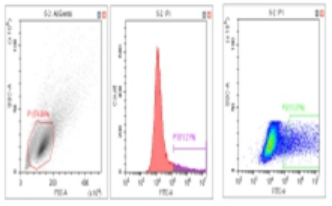
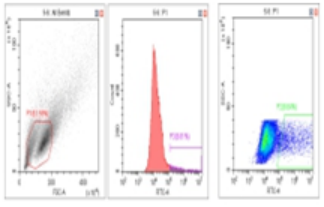
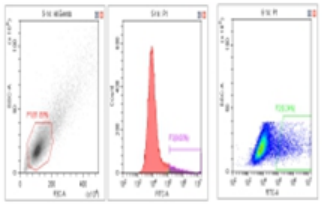
客戶提供的部分細胞轉染數據(僅供參考)
|
Cell |
Culture Plate |
Cell Density |
DNA |
Celthy Trans |
Efficiency |
|
293T |
6 well |
80% |
1μg |
2μL |
90% |
|
293FT |
24 well |
85% |
1μg |
4μL |
90% |
|
Hela |
12 well |
90% |
0.2μg |
0.6μL |
90% |
|
Raw264.7 |
35mm plate |
80% |
1μg |
2μL |
90% |
|
Hek293 |
6 well |
95% |
2μg |
10μL |
80-90% |
|
NCI-H1975 |
6 well |
80% |
4μg |
10μL |
80% |
|
3t3 |
12 well |
90% |
1μg |
5μL |
50% |
常見問題
Q1: 準備核酸轉染試劑復合物時可以有血清存在嗎?
a: 血清的存在可能會影響脂質體的形成。建議在準備核酸轉染試劑復合物時使用無血清培養基(通常為MEM培養基)。
Q2: 在轉染實驗中需要更換為無血清培養基嗎?
a: 不需要,我們的轉染試劑可以在含有血清的培養基中進行轉染。
Q3: 轉染后需要終止轉染嗎?
a: 不需要。脂質體復合物可以穩定存在6小時。如果轉染前沒有更換細胞培養基,需要在轉染后4-6小時更換為新鮮培養基,以確保細胞正常生長所需的營養物質。但如果轉染前已經更換了培養基,則在脂質體轉染后不需要再次更換培養基。
Q4: 存儲和使用轉染試劑時需要注意什么?
a: 該試劑必須存放在4°C。避免反復長時間開蓋,因為長時間暴露在空氣中可能會導致脂質體氧化,影響轉染效率。
Q5: 如何提高轉染效率?
a: 轉染時的細胞密度,保持在90%-95%。
b: 轉染過程中使用MEM無血清培養基稀釋核酸和脂質體稀釋液。
c: 轉染后4-6小時可以更換培養基。
產品推薦
|
Product Name |
Catalog number |
Specification |
|
C130002S |
0.5 mL |
|
|
C130002M |
1.0 mL |
產品試用:掃描二維碼,即刻申請